
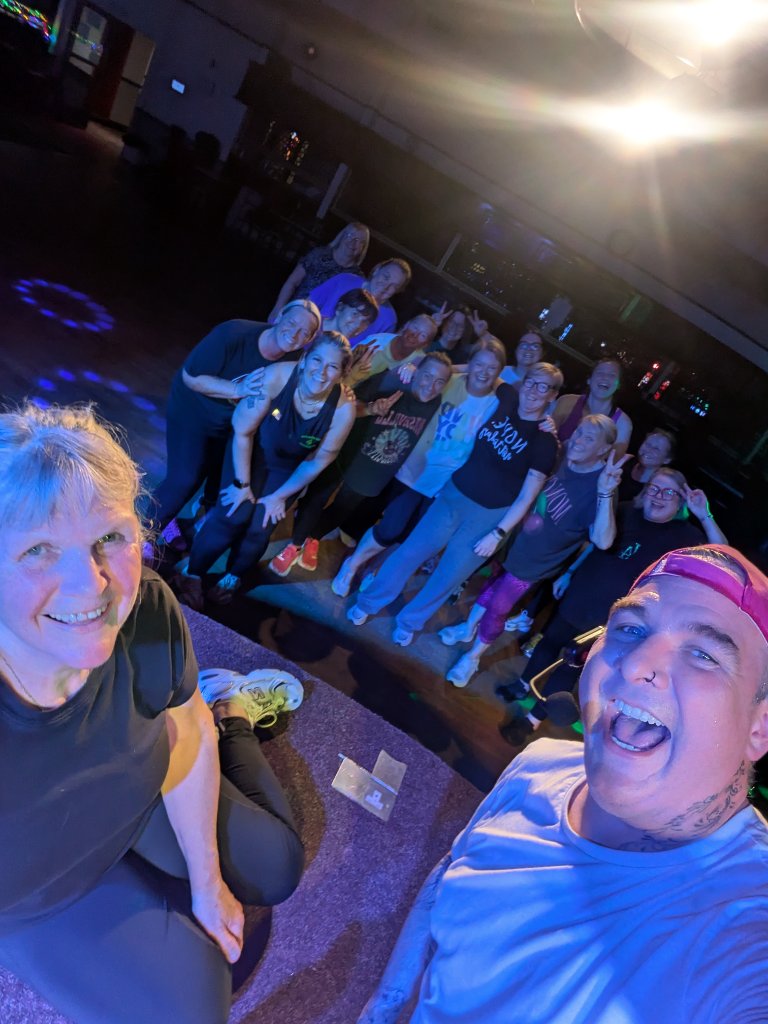
Why fun matters more than fitness guilt
Exercise enjoyment is the pleasure or satisfaction someone feels while being active. It can make movement more appealing to repeat. Research suggests that the experience of exercise matters alongside time, cost and accessibility. Enjoying a dance class does not make it better for everyone, but it may make it a better personal fit.
Published by Vibe Dance Fitness
Editorial note: Vibe uses AI-assisted tools when preparing articles. Individual author and reviewer names appear only when their contributions have been confirmed. About Vibe’s publishing process.
Does enjoying exercise make it easier to continue?
Enjoyment is a relevant part of physical activity, because the way a session feels can influence whether someone wants to do it again. Research reviews examine affective responses, enjoyment and their relationship with exercise behaviour. UK Chief Medical Officers guidance also recognises that lasting activity habits are more likely when movement is enjoyable, useful or part of an everyday routine. This does not mean people should feel delighted every minute they exercise, and it does not make enjoyment the only factor. Money, transport, fatigue, accessibility, social expectations and the availability of local classes all matter. A person who dislikes running might prefer dancing, walking, swimming or another way to move. Adults are still advised to work towards 150 minutes of moderate activity a week, plus strengthening work, where appropriate. Choosing something they can realistically repeat may help someone make progress without turning exercise into another source of guilt.
Guidance behind this topic
These primary guidance pages cover the wider subject. They are not substitutes for the studies cited in this article.
Fitness marketing has a long relationship with guilt. You ate the thing. You missed Monday. Summer is approaching with the menacing energy of a debt collector. Better fix yourself.
There is another model: make movement pleasant enough that doing it again becomes less of a negotiation.
Enjoyment is part of the behaviour, not decoration
A 2021 meta-analytic review examined affective and enjoyment responses to exercise and noted the established relationship between how exercise feels and exercise adherence. The precise relationship is complicated, but the basic behavioural point is not mysterious: experiences influence repetition.
The 2026 UK Chief Medical Officers’ guidance goes even further in practical terms, saying lasting change is most likely when physical activity is enjoyable, useful or part of everyday routines.
Guilt can produce action without producing a relationship
Shame can make somebody exercise today. It can also make the whole subject of exercise feel like evidence against them. If every session is repayment for food, body size or laziness, movement becomes emotionally expensive.
That is different from challenge. Challenge can feel brilliant when it is chosen. A difficult routine can be satisfying. Sweat is not morally suspicious. The problem is making punishment the organising principle.
Fun is allowed to be serious
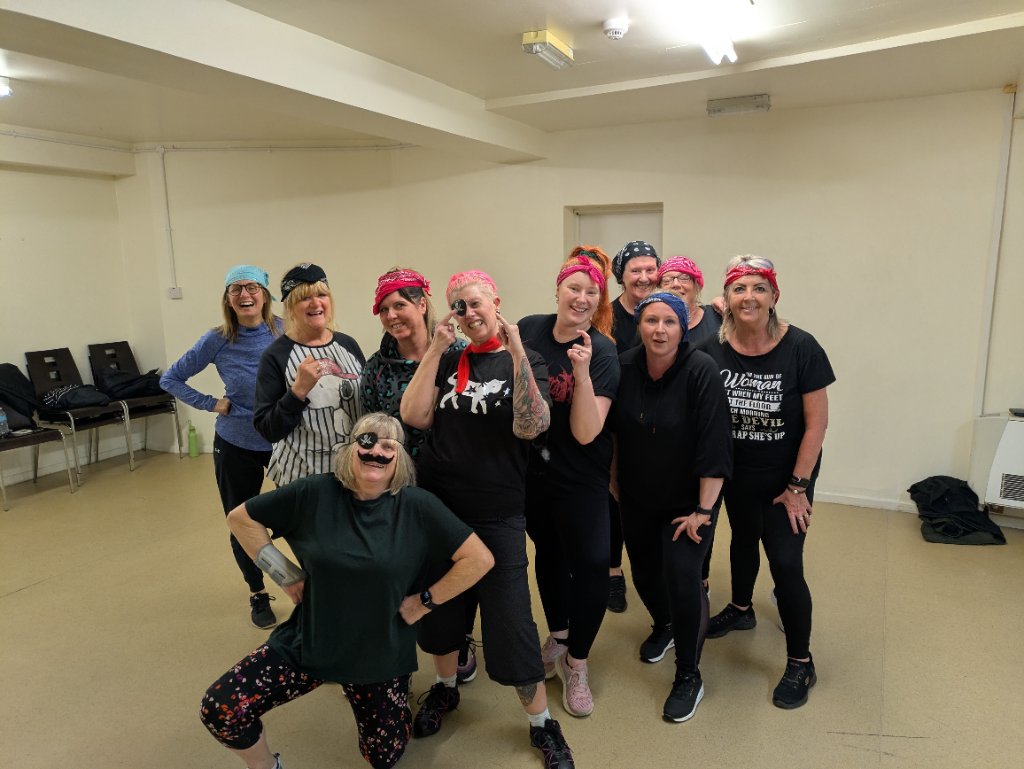
Music, jokes, colour, familiar faces and routines you enjoy do not cancel out the physical work. They can alter the experience of doing it.
If two activities offer similar health benefits and one makes you want to return, that preference is useful information.
The “best” exercise is contextual
There is no universal best activity. Some people love running. Some love lifting. Some need swimming because their joints prefer it. Some dance around their kitchen and accidentally accumulate a decent amount of movement before dinner.
Vibe exists for people who respond better to music, flexibility and a room where nobody is trying to make exercise emotionally scarier than it needs to be.
Remove one layer of friction
You do not have to become somebody who loves fitness. Find one form of movement you dislike less, or occasionally look forward to. That is enough to start building from.
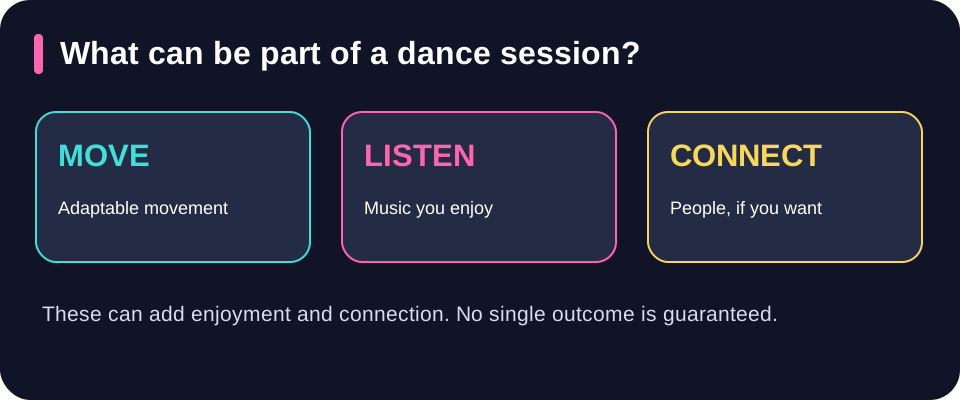
- How exercise feels can matter for whether you repeat it.
- Enjoyment does not make movement less serious or effective.
- Challenge and punishment are not the same thing.
- Choose activities that fit your preferences rather than performing a fitness identity.
Sources and further reading
We link the evidence so you can read beyond our summary. Research quality varies, and an association is not automatically proof of cause.
2021 meta-analytic review: affective and enjoyment responses to exercise
Reviews how exercise affects feelings and enjoyment, factors linked in the wider literature with adherence.
UK Chief Medical Officers’ physical activity guidelines, 2026
States that lasting change is most likely when activity is enjoyable, useful or part of everyday routines.
NHS exercise for depression
Advises choosing exercise you enjoy because it may be easier to maintain regularly.
Want to know more about the people behind Vibe? Meet founder Matt Campbell.
Editorial transparency: Vibe uses AI-assisted tools during editorial preparation. These articles are published under the Vibe Dance Fitness name until individual writer and reviewer credits have been confirmed. We link supporting research where available; please check the original guidance when making decisions about your health.
Try it your way
Fun first. Fitness follows.
That is not a slogan we use to dodge effort. It is how we make effort repeatable.
See what Vibe feels like