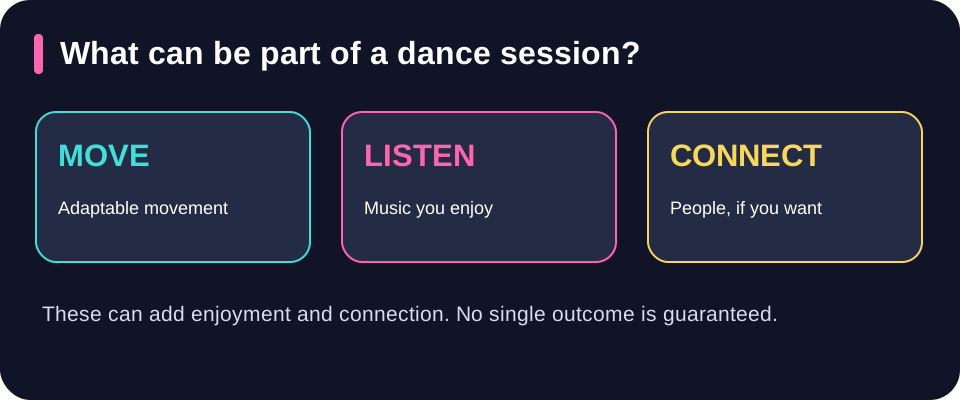
Dance for wellbeing is movement set to music that some people use to support mood and connection. Research is promising on mood and participation, but results vary and dancing is not a treatment guaranteed to work. You can join a group, move on your own, or choose a gentler version when that suits you better.
Prepared by Vibe Dance Fitness using AI-assisted editorial tools. Named authors and reviewers are only credited when their involvement is confirmed. About our publishing process.
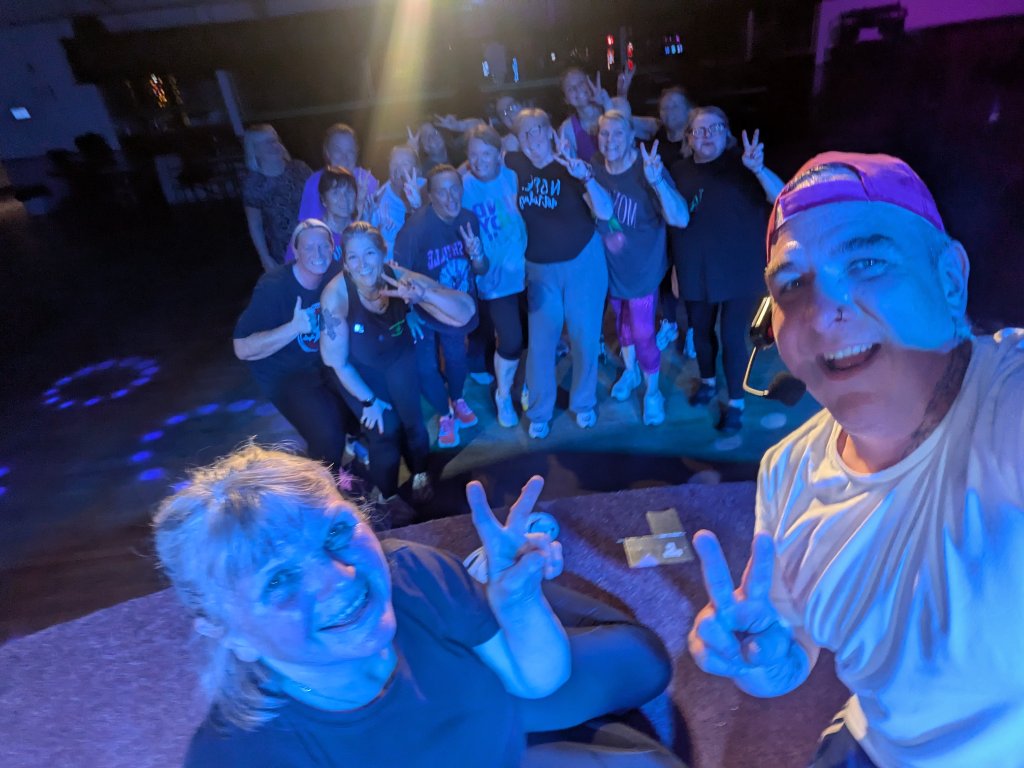
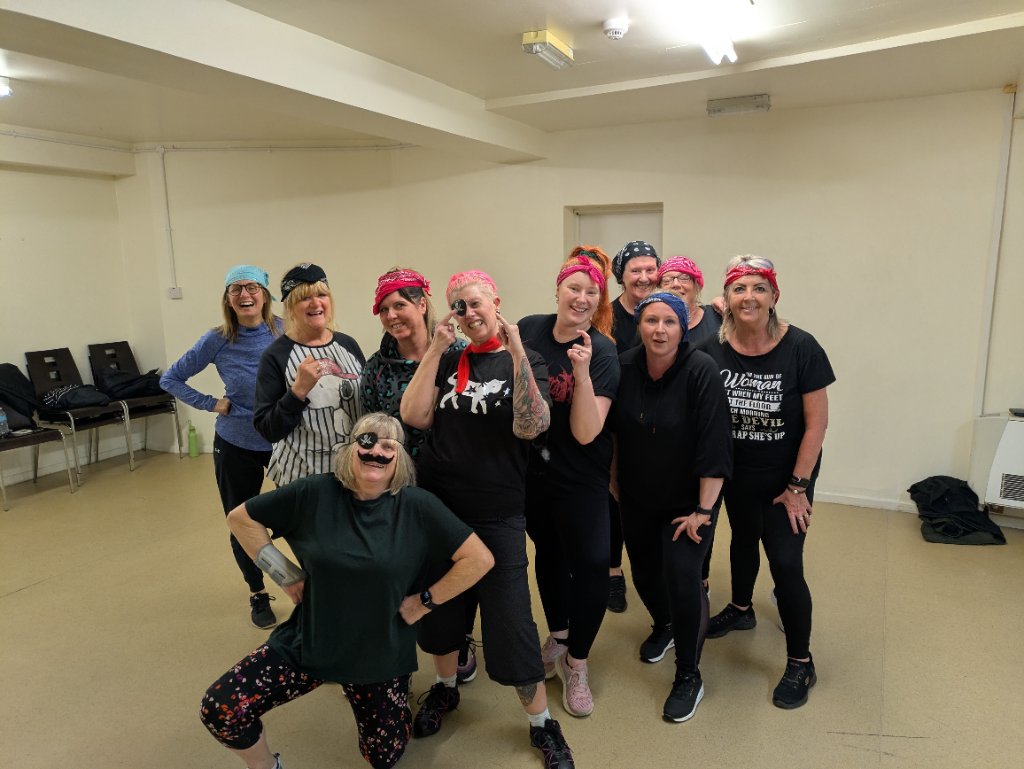
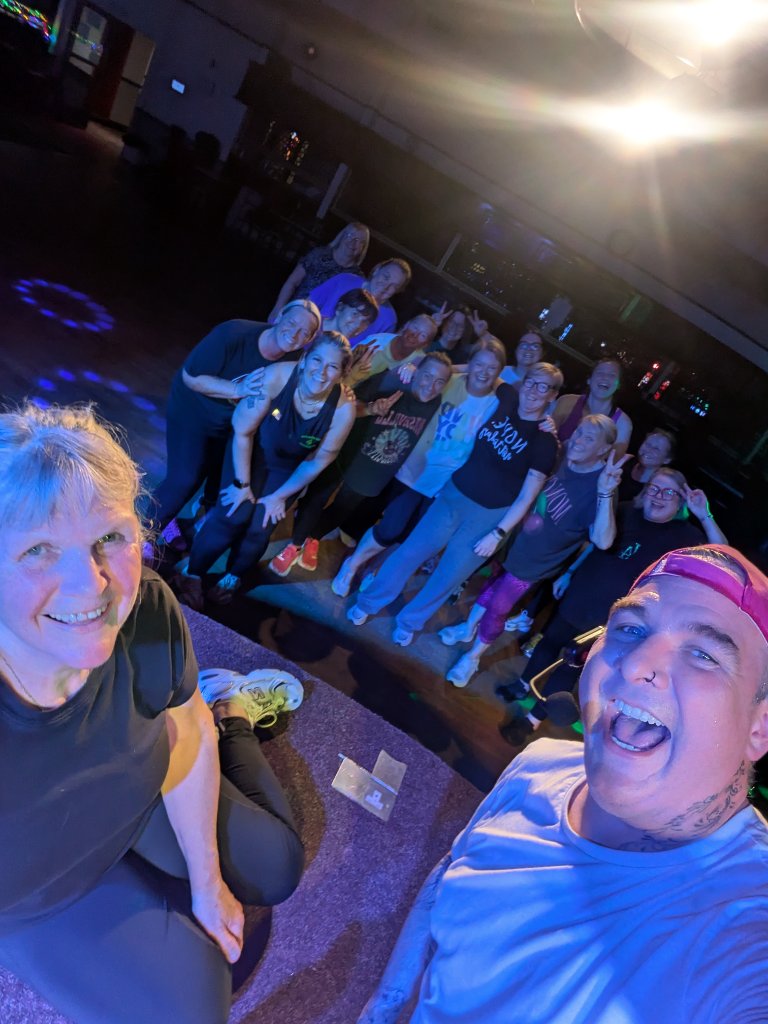
A class can combine music, movement and people. Experiences differ, and dance is not a substitute for clinical mental health care.
Can dance support mood, enjoyment and connection?
Dance and wellbeing are linked in research, but it is important to separate a promising finding from a guarantee. Reviews of dance interventions report some improvements in mood-related outcomes, although studies use different groups, lengths of programme and measurements. Music, movement, shared routines and familiar people can all influence the experience. For one person, the best part of a weekly class is seeing neighbours; for another, it is an hour focused on learning steps without pressure. Neither response is universal. Group participation also depends on accessible venues, safe instruction, affordable prices and whether people feel welcome. Dance should not replace clinical care for depression, anxiety or other mental health conditions. A person can adapt a routine, take breaks or move privately and still be taking a useful step. The articles below explore the evidence on mood, social connection and how enjoyment influences decisions to return.
Physical activity has obvious physical benefits. Group classes can add something else: routine, familiarity, belonging and the gentle accountability of being expected.
Enjoyment is not a childish extra bolted onto serious exercise. It affects the experience of movement, and experience helps shape whether we choose to repeat it.