
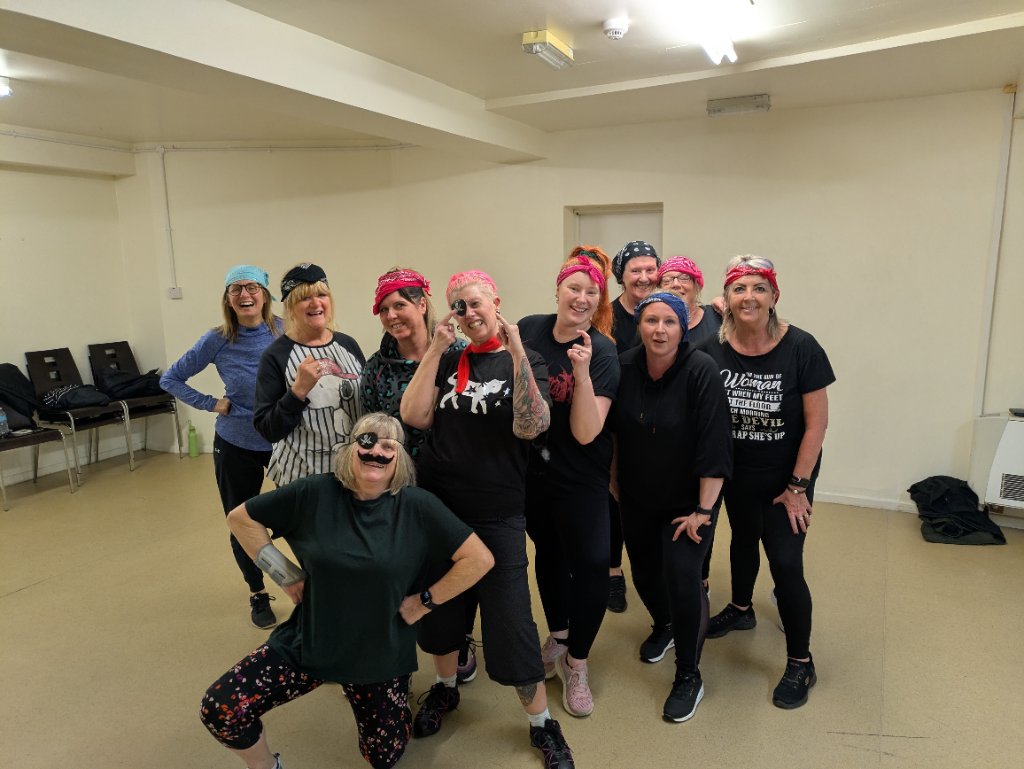
The underrated health ingredient in a group class: other people
Group exercise is physical activity alongside other people, and for some it also provides routine and connection. Familiar faces and a welcoming atmosphere may support a sense of belonging. Research suggests social support can matter for participation, but not everyone enjoys groups and a class cannot promise friendship or improved wellbeing.
Published by Vibe Dance Fitness
Editorial note: Vibe uses AI-assisted tools when preparing articles. Individual author and reviewer names appear only when their contributions have been confirmed. About Vibe’s publishing process.
Can group exercise help people feel connected?
A group exercise class can provide social contact alongside physical activity, although the social experience depends on the group and the person attending. Research on social networks and adult physical activity has found associations between social connections and how active people are. Studies of group fitness also examine belonging, perceived capability, enjoyment and instructor behaviour. These findings do not prove that everyone needs a group to stay active, and the effects of group-based programmes are not consistently larger than individual approaches. Some people prefer to move alone, while others appreciate a familiar class each week. For someone who has felt isolated, the chance to say hello, recognise other faces and join a shared activity may be a meaningful part of the experience. Accessible venues, kind instruction, clear expectations and freedom to participate quietly can help make that possible. Physical and social benefits should both be treated as possibilities, not promises.
Guidance behind this topic
These primary guidance pages cover the wider subject. They are not substitutes for the studies cited in this article.
A class is technically a room where several people exercise at the same time. That description is accurate in the same way that a pub is technically a building containing chairs. It misses most of what is happening.
Belonging can affect whether we return
A 2026 systematic review of adult group fitness classes looked at psychosocial factors associated with attendance and adherence. Self-efficacy was the most consistent predictor, while several social factors, including group identification, social attraction and reliable relationships, were also linked with attendance in parts of the evidence.
The evidence was heterogeneous and much of it observational, so we should not turn “groups can help” into “groups are always better”. A separate 2026 meta-analysis comparing group and individual physical activity interventions found only small, non-significant overall advantages for group-based approaches across several outcomes.
That nuance is useful
Some people love groups. Some find them exhausting. Some want to move quietly at home. There is no moral prize for choosing the social version.
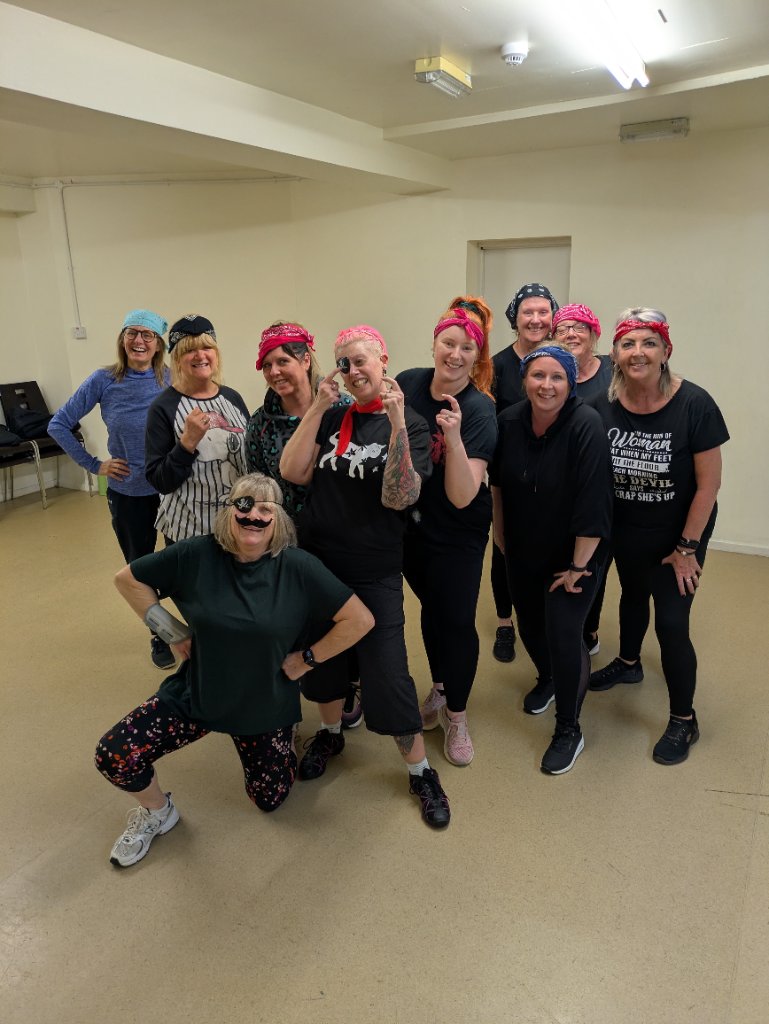
But when a group works, it can create ingredients that are hard to download: recognition, shared jokes, somebody noticing you have not been in, and a weekly point in the calendar that is not work or an appointment.
Social networks and activity influence each other
A systematic review using social network analysis found adult physical activity was associated with features of people’s networks, including network composition and exposure to other active people. That does not prove your friends control your step count, but it does underline that behaviour does not happen in a vacuum.
Sometimes “motivation” is not a feeling inside you. It is knowing there will be familiar faces in the room.
Designing for belonging
A welcoming class is not created by printing “community” on a banner. It is built through small repeated behaviours: learning names, avoiding cliques, making space for new people, not humiliating mistakes, giving options, and allowing somebody to be quiet without treating them as a project.
That is the social side of Vibe we care about. The dancing is the reason everyone arrives. The human bits are often why people return.
- Belonging can be one influence on attendance, but it is not the only one.
- Group exercise is not universally better than exercising alone.
- Familiar faces and routine can reduce the friction of returning.
- Inclusive culture has to be built through behaviour, not branding.
Sources and further reading
We link the evidence so you can read beyond our summary. Research quality varies, and an association is not automatically proof of cause.
2026 systematic review: psychosocial predictors in adult group fitness
Examined self-efficacy, groupness, social support, enjoyment and instructor behaviour in relation to adherence.
2022 systematic review: social networks and adult physical activity
Found several network characteristics were associated with individual physical activity across studies.
2026 meta-analysis: individual versus group-based physical activity interventions
Found small but non-significant overall advantages for group conditions, a useful counterweight to overclaiming.
Want to know more about the people behind Vibe? Meet founder Matt Campbell.
Editorial transparency: Vibe uses AI-assisted tools during editorial preparation. These articles are published under the Vibe Dance Fitness name until individual writer and reviewer credits have been confirmed. We link supporting research where available; please check the original guidance when making decisions about your health.
Try it your way
Come for the routine. Stay if the room feels good.
Vibe is built to be friendly without forcing you to perform sociability.
Find your local class