

Teesside does not need more fitness guilt. It needs more ways to move that people actually want to use
Physical activity on Teesside is easier to access when classes fit real lives. Cost, transport, accessibility, confidence and caring responsibilities can all affect attendance. Enjoyable local sessions, flexible ways to take part and clear venue information make movement more realistic to try and repeat than messages based on guilt.
Published by Vibe Dance Fitness
Editorial note: Vibe uses AI-assisted tools when preparing articles. Individual author and reviewer names appear only when their contributions have been confirmed. About Vibe’s publishing process.
How can Teesside make movement easier to take part in?
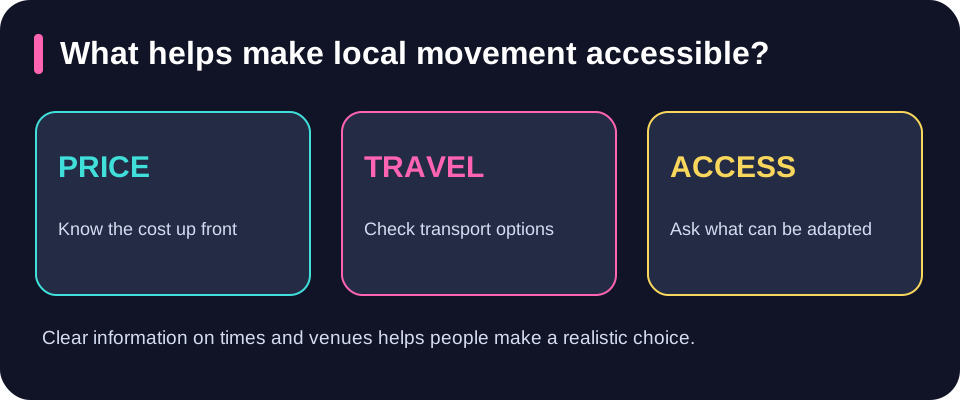
Improving physical activity on Teesside is partly about giving people options they can realistically use. UK guidance recommends 150 minutes of moderate activity each week for adults, but that target is not an instruction to begin at full intensity. Local barriers may include transport, cost, work shifts, disability access, childcare, past experiences of exercise or simply not knowing what to expect. Stockton-on-Tees Council identifies physical activity as relevant to both physical and mental wellbeing, while Sport England provides local participation data through its Active Lives survey. These sources should guide planning rather than become a reason to blame individuals. A short community dance session, a low-cost class in a familiar venue or a gentler option within a group can make participation more realistic. Local providers should state prices, times, accessibility and booking steps plainly, listen to participants and adjust when something is not working. Better opportunities matter more than louder instructions to exercise.
Guidance behind this topic
These primary guidance pages cover the wider subject. They are not substitutes for the studies cited in this article.
Teesside has no shortage of lectures about health. The more interesting challenge is whether people have affordable, welcoming ways to be active that fit real lives.
Local public health already sees physical activity as bigger than sport
Stockton-on-Tees Borough Council describes physical activity as an essential building block for healthy life, highlighting mental wellbeing, stress reduction, fitness and social connection. Middlesbrough’s public-health work sits within a wider strategy focused on health inequalities and the broader conditions that shape health.
That context matters. Telling everybody to “move more” is easy. Access is harder. Cost, transport, disability, caring responsibilities, safety, confidence, work patterns and whether a space feels welcoming all influence what is realistic.
Sport England gives us a way to look at the bigger picture
The Active Lives survey tracks adult activity across England and allows results to be explored by local authority and Active Partnership area, including Tees Valley. Its headline categories define “active” as at least 150 minutes of moderate-equivalent activity a week, “fairly active” as 30 to 149 minutes and “inactive” as less than 30 minutes.
The useful thing is not to turn those categories into personal grades. They are population measures. They help councils, funders and organisations see where opportunity and inequality sit.
Enjoyment is not frivolous
The updated UK Chief Medical Officers’ guidance explicitly notes that lasting change is more likely when activity is enjoyable, useful or part of everyday routines. That sentence deserves more attention.
If an activity is miserable, inaccessible or socially intimidating, telling people it is good for them does not solve the design problem.
A healthier local movement culture can be wider
Gyms matter. Sport matters. Walking, cycling and active travel matter. So do dance classes, community halls, walking groups, disability-inclusive sessions, parks, online options and programmes that are free because somebody funded them properly.
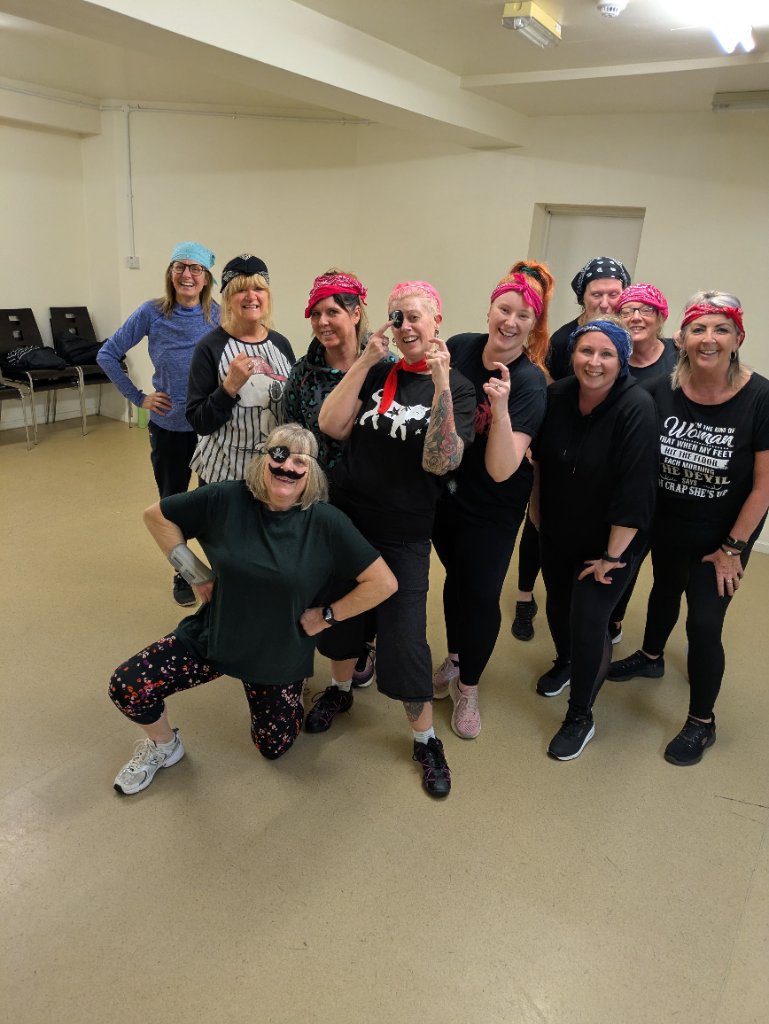
Vibe is one tiny piece of that local picture. Our job is not to persuade everybody that dance fitness is secretly the only answer. It is to create one more door into movement for people who hear “exercise” and instinctively want to hide behind the nearest Greggs.
The test is repeatability
A class that looks impressive on launch day but feels awkward, expensive or punishing will not fix inactivity. The better question is whether somebody wants to come back. That is where fun, location, price, welcome and flexibility stop being fluffy extras and become part of public-health design.
- Physical activity is a local health issue, but access is shaped by wider life circumstances.
- Population activity categories are planning tools, not moral grades.
- Enjoyment and convenience can influence whether activity becomes repeatable.
- Community movement should include more than traditional gyms and sport.
Sources and further reading
We link the evidence so you can read beyond our summary. Research quality varies, and an association is not automatically proof of cause.
Stockton-on-Tees Borough Council: Healthy weight and physical activity
Local authority page describing physical activity benefits including mental wellbeing, stress reduction, fitness and meeting people.
Middlesbrough Council: Public health information
Sets local public health within the Joint Health and Wellbeing Strategy and Joint Strategic Needs Assessment.
Sport England: Active Lives adult data
Sport England publishes the Active Lives surveys, participation data and accompanying research.
UK Chief Medical Officers’ physical activity guidelines, 2026 update
Notes that lasting change is more likely when activity is enjoyable, useful or part of everyday routines.
Want to know more about the people behind Vibe? Meet founder Matt Campbell.
Editorial transparency: Vibe uses AI-assisted tools during editorial preparation. These articles are published under the Vibe Dance Fitness name until individual writer and reviewer credits have been confirmed. We link supporting research where available; please check the original guidance when making decisions about your health.
Try it your way
One more local door into movement.
Vibe currently runs classes across Teesside, with funded sessions available in some areas when programmes allow.
See the class map