
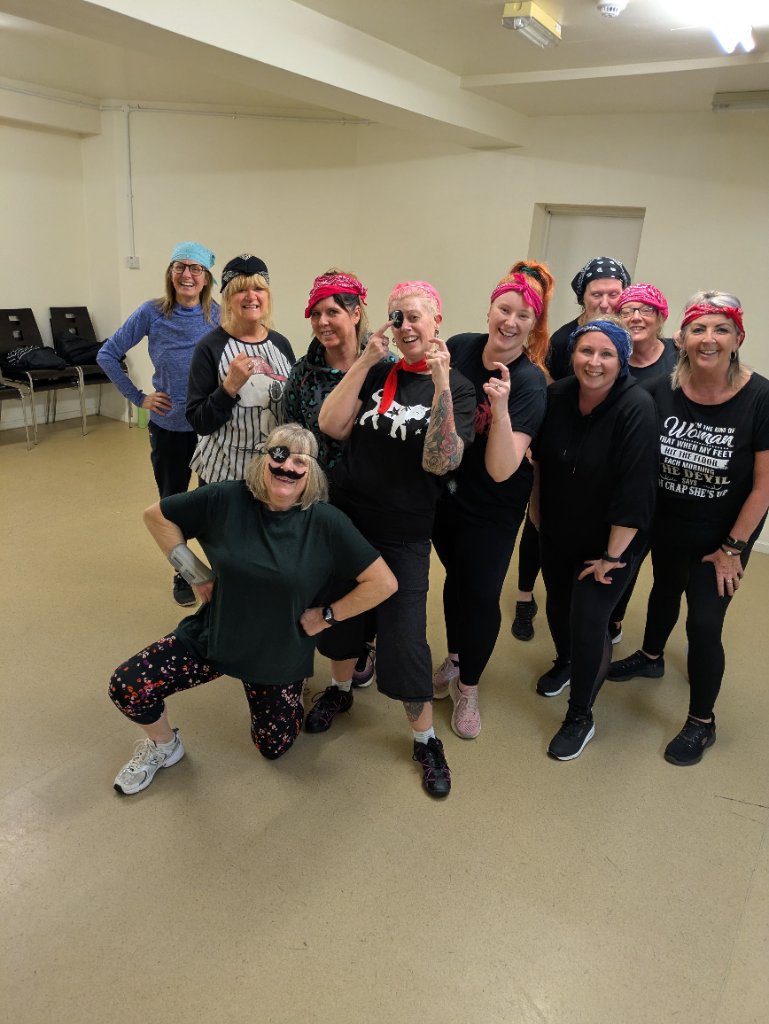
Dance confidence is not about learning to stop getting moves wrong
Dance confidence is the feeling that you can take part and learn, even when the moves are new. It can grow with practice, mistakes and supportive instruction. You do not have to get a routine right immediately. Smaller movements and easier steps can make learning more manageable and enjoyable.
Published by Vibe Dance Fitness
Editorial note: Vibe uses AI-assisted tools when preparing articles. Individual author and reviewer names appear only when their contributions have been confirmed. About Vibe’s publishing process.
How do you build confidence when learning dance steps?
Confidence in a dance class does not require perfect timing or faultless choreography. Learning a movement often means trying it, noticing what happened, adjusting and trying again. That process can feel uncomfortable when someone is worried about being watched or judged. Research on dance and physical self-esteem suggests that some dance programmes may improve confidence-related outcomes, though results vary and cannot be promised to everyone. An inclusive instructor can offer a simpler version of a move, repeat a sequence and make clear that participation is not a competition. People learn at different rates, and bodies do not all move in the same way. For a beginner, the useful goal may be staying with the music for one section or returning for a second session, not mastering every step. A class should make space for choice and rest. Making mistakes is part of learning; feeling humiliated should never be part of the programme.
Guidance behind this topic
These primary guidance pages cover the wider subject. They are not substitutes for the studies cited in this article.
Dance confidence is often imagined as a future state where you know every routine, your arms and legs have finally signed a cooperation agreement, and mistakes have been abolished.
That is not really confidence. That is familiarity.
Confidence can exist before competence
You can be new and still feel safe enough to try. You can miss a step without needing to leave. You can laugh, reset and catch the next eight counts. Those are confidence skills too.
A 2025 systematic review found dance interventions were associated with improvements in physical self-esteem and self-confidence and reductions in social physique anxiety across the studies included. The study quality was mixed, so it is better viewed as supportive evidence than a universal promise.
Learning in public feels vulnerable
Most adult life rewards hiding what we do not know. Dance classes make learning visible. The wrong direction is right there, wearing trainers.
A supportive environment changes what that visibility means. If mistakes are treated as normal information rather than embarrassment, the nervous system can stop reading every wobble as social danger.
Repetition does its quiet work
The first time you see a move, you may need every available brain cell. A few repetitions later, some of the movement becomes automatic. That frees attention for musicality, energy or simply enjoying the track.
Confidence often arrives sideways, disguised as “I didn’t think about that bit this time”.
Measure the right thing
Instead of asking “Did I get everything right?”, try: Did I recover after a mistake? Did I stay for the whole session? Did one routine feel easier than last time? Did I make the move my own?
Those questions create a version of progress that your nervous system can actually collect evidence for.

- Confidence and competence are related but not identical.
- A safe learning environment changes how mistakes feel.
- Repetition reduces cognitive load over time.
- Recovery after a mistake is a real marker of progress.
Sources and further reading
We link the evidence so you can read beyond our summary. Research quality varies, and an association is not automatically proof of cause.
2025 systematic review: dance, social physique anxiety and physical self-esteem
Found favourable changes in confidence-related outcomes across the reviewed dance interventions.
NHS Every Mind Matters: Be active for your mental health
Includes confidence and self-esteem among the potential mental-wellbeing benefits of physical activity.
Want to know more about the people behind Vibe? Meet founder Matt Campbell.
Editorial transparency: Vibe uses AI-assisted tools during editorial preparation. These articles are published under the Vibe Dance Fitness name until individual writer and reviewer credits have been confirmed. We link supporting research where available; please check the original guidance when making decisions about your health.
Try it your way
You are allowed to learn in the room.
Nobody arrives knowing the routines. Start where you are and let repetition do its job.
Come to a class